Facebook & Instagram Ads for Wedding Venues: Complete 2026 Playbook
Facebook & Instagram Ads for Wedding Venues: Complete 2026 Playbook
The short answer: Meta ads (Facebook and Instagram) let you reach engaged couples before they start actively searching for venues. With sophisticated targeting, compelling creative, and strategic retargeting, venues consistently book tours at $30-60 per inquiry when campaigns are run correctly.
This playbook covers everything from audience building to creative strategy to campaign optimization—the complete system for turning social media advertising into booked weddings.

Why Do Meta Ads Work for Wedding Venues?
Meta knows when couples get engaged before they tell most of their friends. When someone changes their relationship status, starts following wedding accounts, or searches for engagement ring content, Meta begins showing them wedding-related ads.
This means you can reach couples at the very beginning of their planning journey—often before they've looked at a single venue. Getting on their radar early, when they're most excited and receptive, creates opportunities that Google search alone misses.
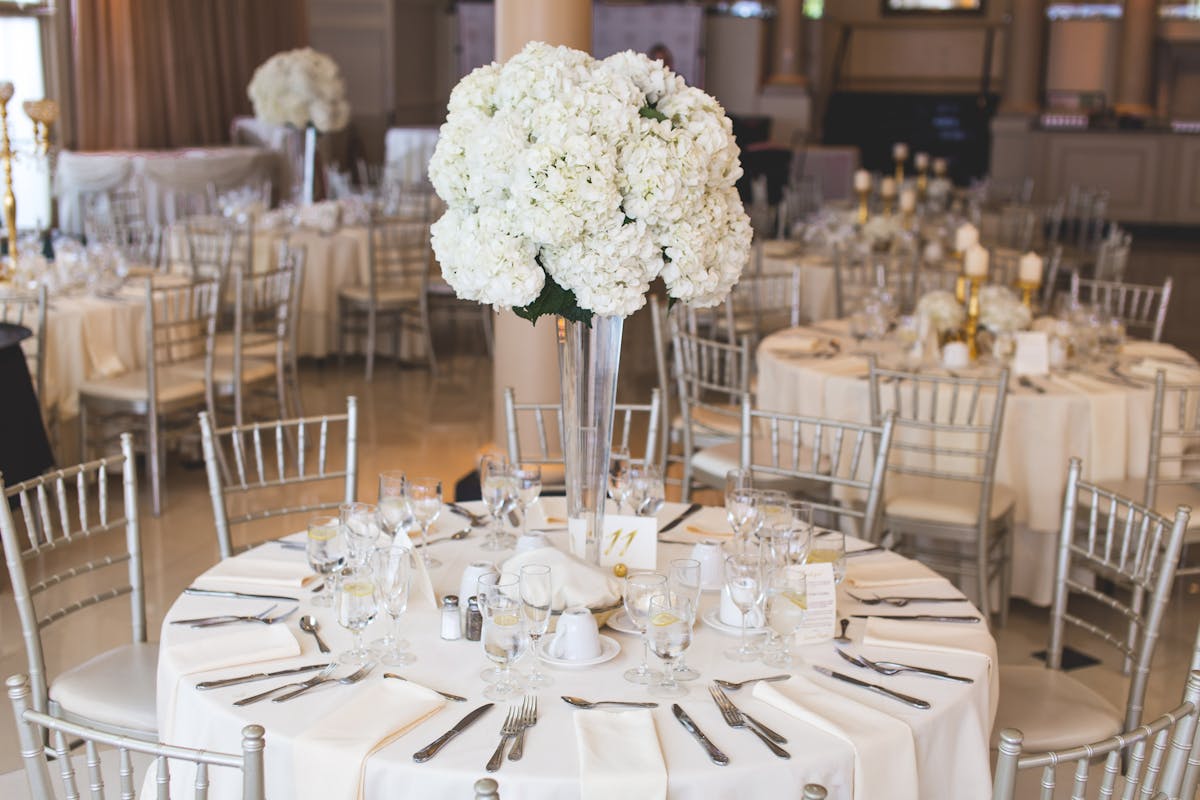
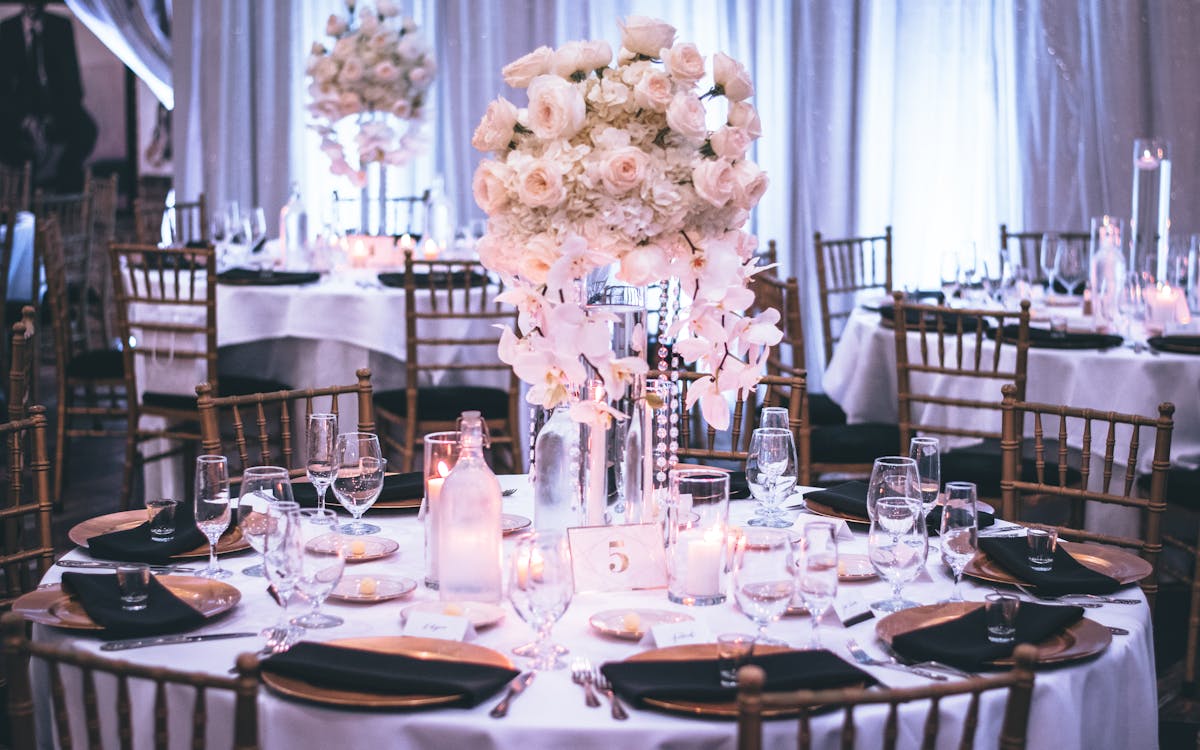
Instagram especially resonates with couples planning weddings. It's a visual platform, and weddings are inherently visual experiences. Beautiful venue photos and real wedding content perform exceptionally well because they help couples envision their own celebration.
For venues that want comprehensive marketing coverage, combining Meta ads with Google Ads and SEO creates multiple touchpoints throughout the planning journey. Learn the complete strategy in our wedding venue marketing guide.
How Do You Target Engaged Couples?

Demographic and Life Event Targeting
Meta offers targeting options specifically designed for reaching couples in wedding planning mode.
Core targeting layers:
Start with engaged status as your foundation, then layer additional criteria carefully. Over-targeting shrinks your audience too much. Under-targeting wastes budget on unlikely converters.
Interest-Based Targeting
Beyond engagement status, interests signal wedding planning intent.
High-value interest signals:
Create separate ad sets testing different interest combinations. You'll discover which audiences perform best for your specific venue type and price point.
Lookalike Audiences: Your Secret Weapon
Once you have past clients and tour bookings in your system, create lookalike audiences to find similar couples.
Build lookalikes from:
Start with 1% lookalike audiences (most similar to your source) and expand to 2-5% as you scale. Lookalikes often outperform interest targeting because they're based on actual customer behavior.
What Creative Actually Converts?
Video Content That Performs
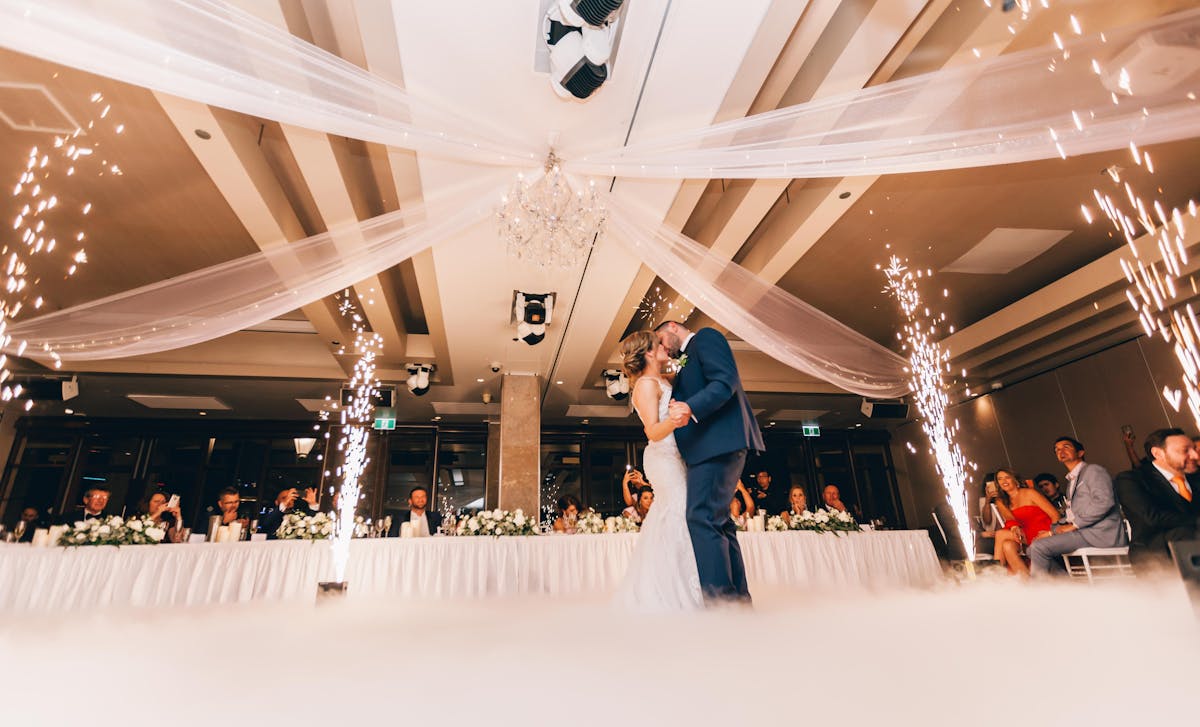
Video dominates Meta advertising performance. Couples want to experience your venue before visiting, and video delivers that experience better than photos alone.
Video formats that work:
Keep videos under 60 seconds for feed placement. The first 3 seconds must capture attention—start with your most impressive visual, not a logo or text slide.
Photo Creative Strategy
Photos still perform well, especially in certain placements and for retargeting.
Photo guidelines:
Avoid stock photos entirely. Couples can spot them immediately, and they undermine trust. Every image should be from your actual venue.
Copy That Converts
Your ad copy supports the visual by providing context and driving action.
Effective copy elements:
Test short copy (1-2 sentences) against longer storytelling copy. Different audiences respond differently. Let the data guide your creative decisions.
How Do You Structure Campaigns?
Campaign Architecture
Organize campaigns by objective and funnel stage rather than by creative type.
Recommended structure:
Within each campaign, create ad sets for different audience segments and creatives. This structure lets you understand performance at each funnel stage and allocate budget accordingly.
Budget Allocation Framework
Starting allocation:
Adjust based on results. If retargeting converts at much lower cost, shift budget there. If prospecting fills your retargeting audiences efficiently, maintain or increase that investment.
How Does Retargeting Drive Bookings?
Retargeting separates successful venue advertisers from those who waste budget. Most couples need multiple touchpoints before booking a tour.
Retargeting Audience Segments
Create audiences for:
Each audience receives different messaging. Someone who watched 75% of your tour video is warmer than a general website visitor—treat them accordingly.
Retargeting Sequences
Days 1-7 after visit: Reinforce what they saw with your best imagery. Remind them why they visited.
Days 8-14: Introduce social proof—testimonials, real wedding features, awards and recognition.
Days 15-30: Create gentle urgency. Share limited availability for popular dates. Offer to answer questions they might have.
Don't overwhelm the same person with constant ads. Set frequency caps to avoid annoyance while maintaining presence.
What Metrics Should You Track?
Key Performance Indicators
Weekly review:
Monthly review:
Optimization Decisions
Use data to make systematic improvements.
Every week: Turn off underperforming ads. Shift budget to top performers.
Every month: Refresh creative to combat ad fatigue. Test new audiences. Review funnel performance.
Creative fatigue is real. The same ad eventually stops working as your audience sees it repeatedly. Plan for regular creative updates—monthly at minimum.
Common Mistakes to Avoid
Creative Mistakes
Using only venue photos: Real weddings with real couples perform significantly better than empty space photos. Couples want to envision themselves in your venue.
Ignoring video: Video outperforms photos in most placements. If you're only running photo ads, you're leaving performance on the table.
Inconsistent branding: Your ads should feel cohesive with your website and overall brand. Jarring transitions between ad and landing page hurt conversion rates.
Targeting Mistakes
Targeting too broadly: Reaching millions of people wastes budget on those who'll never book. Start narrow and expand once you find winning audiences.
Excluding existing customers: Don't advertise to couples who already booked with you. Create exclusion audiences from your customer list.
Ignoring geographic reality: Most couples choose venues within reasonable distance. Target your actual market radius.
Strategy Mistakes
No retargeting: Running only prospecting campaigns means paying full price for every conversion. Retargeting converts at a fraction of the cost.
Giving up too quickly: Meta's algorithm needs time to learn. Run campaigns for at least 2 weeks before judging performance. Initial results rarely represent steady-state performance.
Getting Started: Your First Campaign
Begin with one prospecting campaign targeting engaged couples in your geographic area. Create 3-5 ad variations testing different creatives and copy approaches. Set a daily budget of $30-50 to start.
Run for two weeks, then analyze results. Double down on what works. Cut what doesn't. Add retargeting once you have meaningful website traffic from your prospecting campaign.
For venues wanting professional management, Meta advertising requires ongoing optimization that can be time-intensive. Consider whether managing in-house or partnering with specialists makes sense for your situation.
Related guides:
Want to reach more couples on social? See our Facebook & Instagram Ads Services for wedding venues.