How to Advertise a Wedding Venue in 2026: Complete Marketing Strategies to Increase Bookings
Engaged couples now discover, compare, and validate venues online long before they schedule a tour. Your marketing must do more than “look good", it needs to generate qualified leads, convert interest into booked tours, and accelerate decisions.
The article maps tactics to measurable outcomes, more qualified leads, higher tour rates, and stronger booking velocity, while explaining implementation steps and quick wins. Sections cover top strategies for 2026, website and GBP optimization, paid channel comparisons, visual storytelling, partnership and review systems, and how to adapt to micro-weddings and AI-driven tools. Throughout, relevant keywords like advertise wedding venue, wedding venue marketing, and Google Business Profile wedding venue are integrated naturally to mirror how couples search.
What Are the Most Effective Wedding Venue Marketing Strategies for 2026?
The most effective wedding venue marketing strategies in 2026 rely on a blended, full-funnel approach that combines:
·Local SEO and Google Business Profile optimization
·High-impact visual content
·Paid search and paid social advertising
·Social media storytelling and discovery
·Strategic partnerships and review management
These channels don’t work in isolation. SEO captures high-intent searches, social platforms drive discovery and emotional connection, paid ads scale demand, and partnerships plus reviews build trust. Together, they create a repeatable pipeline from visibility → preference → booking.
Prioritizing personalization, fast response times, and digital-first validation is critical because couples now expect near-instant answers and immersive previews before booking a tour. A coordinated marketing plan maps each strategy to a desired outcome, leads, tours, or bookings, and sets measurable KPIs like cost per tour and tour-to-booking rates.
Top venue marketing strategies to prioritize:
·Local SEO and Google Business Profile optimization to capture intent-driven searches for venues near you.
·High-quality visual content (photography, video, virtual tours) to validate and emotionally engage couples.
·Paid search and social campaigns to scale qualified lead generation quickly.
·Social media storytelling (Instagram, TikTok, Pinterest) for discovery and shareable inspiration.
·Partnerships and review systems to build trust and referral pipelines.
These strategies form a pipeline: SEO and ads generate visibility, content and social validation build preference, and partnerships plus responsive follow-up convert bookings. After designing this pipeline, many venue owners choose a full-stack execution partner to operationalize and scale these channels efficiently.
EverBridal’s service categories map directly to these strategies and can serve as an example of a full-stack execution approach when owners prefer an external partner.
How Can SEO Improve Your Wedding Venue's Online Visibility?
SEO remains one of the highest-ROI channels for wedding venues because it captures couples actively searching for venues in your area.
Local and technical SEO improves visibility by aligning your website, content, and listings with how couples search.
Practical steps include:
·Auditing title tags and meta descriptions
·Implementing schema for event and local business markup
·Ensuring NAP consistency across directories
·Prioritizing mobile performance and page speed
·A focused backlink and PR push, targeting wedding blogs, local publications, and vendor sites, strengthens domain authority and improves rankings for competitive terms. Addressing these technical and content areas yields more organic traffic and higher-quality leads that are already further along the planning funnel.
How to Optimize Your Wedding Venue Website and Google Business Profile?
Your website and Google Business Profile must work together to convert discovery into booked tours.
·High-performing venue websites include:
·Clear package and pricing signals (or starting rates)
·Prominent “Schedule a Tour” CTAs
·Fast, mobile-optimized galleries
·Structured data for local search visibility
·Minimal friction from click to booking
Google Business Profile optimization best practices:
·Complete all categories and attributes
·Upload professional, seasonal photos
·Add booking links and regular posts
·Actively manage and respond to reviews
Mapping website analytics into a CRM ensures each lead is tracked from click to tour and beyond, allowing venue teams to measure cost per tour and conversion rates. The checklist table below translates core website and GBP elements into quick actions owners can implement to raise conversions and local rank.
This checklist prioritizes actions that improve both SEO and UX, creating a smoother funnel from discovery to booking. Implementing these changes also facilitates stronger paid campaigns by lowering friction and increasing landing page relevance.
Practical implementation often benefits from integrated website, GBP, and CRM work: pairing a fast, conversion-focused site with an optimized GBP and a CRM that captures incoming leads improves response times and follow-up workflows. A combined approach where website forms feed directly into a CRM triggers immediate outreach, SMS reminders, and nurtures that lift tour-show rates and shorten time-to-booking.
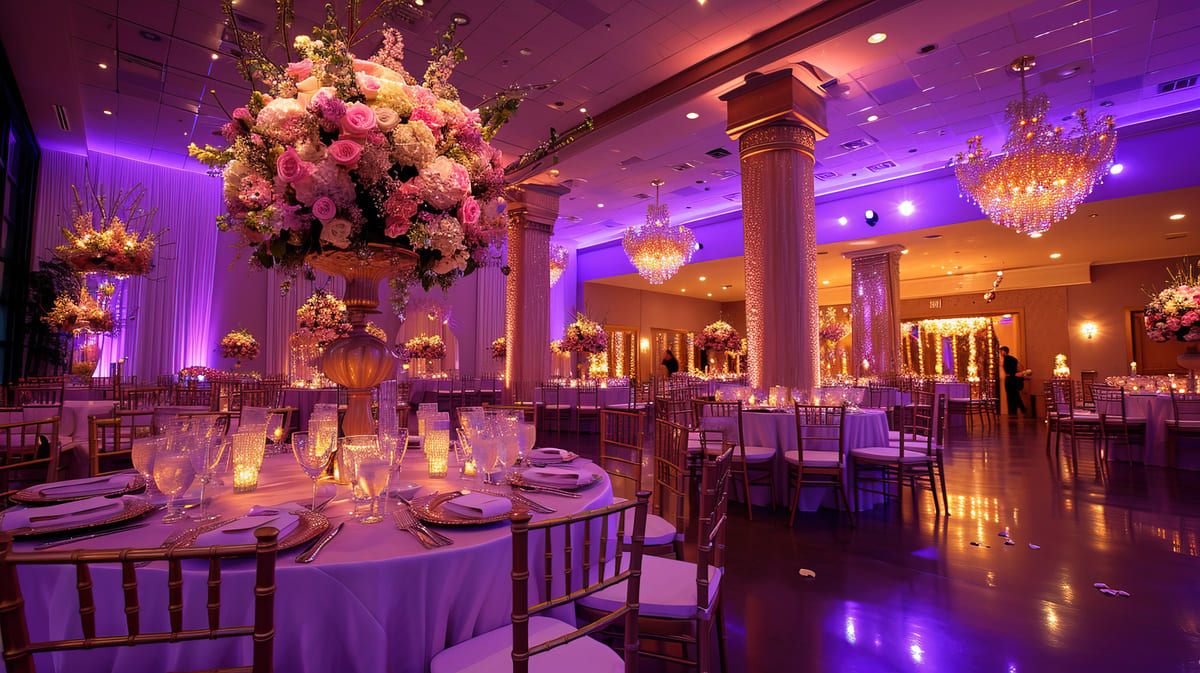
Best Practices for Wedding Venue Website Design in 2026
In 2026, venue websites must balance aspirational storytelling with conversion clarity.
·Key design principles:
·Strong visual hierarchy highlighting unique selling points
·Fast-loading galleries organized by event type
·Transparent pricing or “starting at” indicators
·Action-oriented CTAs like “Schedule a Private Tour”
·Reassurance microcopy around flexibility and response time
Continuous A/B testing of hero images, headlines, and CTAs helps venues learn what actually drives tour requests.
How to Master Google Business Profile for Local Wedding Venue SEO?
Mastering GBP starts with fully completing every field and selecting venue-specific categories and attributes, such as "Event venue" and applicable facility features.
·Regularly publish posts highlighting upcoming open houses, recent weddings, and seasonal offers to keep the profile fresh and engaging
·Encourage guests to leave reviews and implement a response protocol that thanks positive reviewers and addresses concerns constructively; regular, professional responses build local credibility and can improve rankings
·Use high-resolution photos taken in varied lighting to show ceremony and reception setups and update them seasonally
·Perform monthly maintenance, checking contact details, new photos, and post cadence, to keep the profile competitive in local searches
What Paid Advertising Methods Drive the Most Bookings?
Paid advertising complements organic channels by delivering targeted visibility at scale, especially for high-intent search queries and lookalike audiences of engaged couples. Search ads capture couples actively searching for venues or availability, while social ads on platforms like Meta and Pinterest help build consideration and drive leads with lead forms or landing pages.
Retargeting sequences moving visitors from awareness to booking, combining site visits, event-page visitors, and engagement audiences, can significantly reduce cost per tour. Budget allocation typically prioritizes search for direct inquiries and social for broader reach, and campaigns should be measured on cost per booked tour and return on ad spend.
This comparison helps align platform choice with campaign objectives: use search for intent capture, Meta for lead funnels, Pinterest for planning-driven discovery, and TikTok for brand reach and trend-driven content. Effective campaigns combine these channels with clear landing pages and measured conversion goals.
How to Use Google Ads and Meta Ads to Target Engaged Couples?
At EverBridal, we’ve learned that targeting engaged couples effectively requires layering intent, demographics, and behavior—not relying on a single signal.
Google Ads: Capture High-Intent Searches
For Google Ads, we structure campaigns around keyword clusters that reflect real booking intent, including:
·Venue + location searches
·Availability and capacity queries
·Venue style (barn, waterfront, ballroom)
·Event-specific searches (micro-weddings, weekday weddings)
We pair these campaigns with ad extensions, call buttons, sitelinks to packages, and limited-availability messaging, so couples can take action immediately. Our bidding strategies prioritize booked tours and qualified inquiries, not just clicks, and are adjusted seasonally to reflect local demand cycles.
Meta Ads: Build Discovery and Move Couples Down the Funnel
On Meta (Facebook and Instagram), we layer relationship status signals, wedding-planning interests, and lookalike audiences based on past bookers. From there, we use a funnel approach:
·Awareness ads featuring real weddings and venue highlights
·Lead ads targets that promote tours, open houses, or incentives
·Retargeting ads that re-engage site visitors and form abandoners
Creative focuses on tour incentives, limited open-house slots, seasonal offers, or sample menus, paired with clear, low-friction CTAs. Every campaign is optimized toward conversions that matter: tour requests and booked appointments.
What Are Effective Retargeting Strategies for Wedding Venue Ads?
Retargeting works by re-engaging visitors based on their prior interactions and nudging them closer to a tour or booking decision through sequenced messaging. Build segmented audiences: general site visitors, gallery viewers, pricing/package page visitors, and form initiators who didn’t complete booking. Sequence creatives from inspirational (real wedding highlights) to validation (testimonials and venue tour videos) to action (limited availability or easy booking CTA).
Use lookback windows that reflect planning timelines, shorter windows for open-house promotions and longer windows for those early in research, and cap frequency to avoid ad fatigue. Track lift metrics such as increased tour requests and monitor ad creative performance to iterate.
Retargeting sequence checklist:
·Segment audiences by page and engagement level to personalize messaging.
·Sequence creative from inspirational content to social proof to booking offers.
·Use lookback windows and frequency caps aligned with the planning cycle.
Retargeting drives higher conversion rates when creative aligns with visitor intent and follows a clear, measured sequencing plan.
How to Adapt Wedding Venue Advertising to 2026 Trends and Technologies?
Adapting to 2026 involves productizing new formats like micro- and personalized weddings, using AI for lead capture and creative generation, and positioning on sustainability and experience customization. Micro-weddings require clear per-guest pricing and specific messaging for intimate packages, while personalization should be reflected in easy-to-customize package builders and imagery that shows varied setups.
AI tools streamline initial qualification via chatbots, automate follow-up messaging, and assist in ad creative variants to accelerate testing. Sustainability messaging, detailing local sourcing or low-waste options, resonates with eco-conscious couples and can be highlighted in content and GBP attributes. These tech and trend-driven adaptations help venues reach niche audiences and operate more efficiently while scaling.
What AI and Tech Innovations Can Streamline Venue Marketing?
AI and modern tech improve efficiency across lead capture, personalization, and creative testing.
· Implement chatbots for immediate qualification and appointment scheduling
· Integrate virtual tours and AR previews to let couples envision layouts
· Connect booking automations with your CRM to trigger reminders and nurture sequences
· Use AI-assisted ad creative tools to generate headline and image variants for faster A/B testing
· Apply personalization engines to tailor landing page content based on referral source or search query
When combined with CRM workflows, these tools reduce manual follow-up, shorten time to booking, and free staff to focus on high-value onsite interactions.
Ready to Turn More Inquiries Into Booked Tours?
If you’re reading this and thinking, “We’re getting traffic, but bookings feel inconsistent,” you’re not alone.
At EverBridal, we work exclusively with wedding venues to connect search, ads, creative, and CRM systems into one measurable growth engine, so every click has a clear path to a tour and a booking.
If you’d like us to review your current ads, website, and follow-up process, I’d be happy to walk you through what’s working, what’s leaking, and where the biggest opportunities are.
Request a personalized demo call now and let’s see how your venue can book more tours, without adding more chaos to your team.